Energy-Efficient Home Upgrades in Oklahoma
Energy Efficiency, Home Upgrades, Oklahoma Tax Credits, Sustainable Living, Cost-effective Improvements, Green Home Solutions
Energy-Efficient Home Upgrades That Actually Pay Off in Oklahoma (+ Tax Credits to Know)
Thinking about cutting your utility bills, staying comfortable through Oklahoma’s wild weather swings, and doing something good for the planet at the same time? With the right energy-efficient home upgrades, you can check all three boxes and tap into valuable state and federal tax credits that help those improvements pay for themselves faster.
Why Energy Efficiency Matters So Much in Oklahoma
Oklahoma homes work hard. Summers can be blazing hot, winters bring surprise cold snaps, and spring storms test every drafty window and poorly insulated attic. That’s exactly why energy efficiency is such a smart focus here: every bit of heating or cooling you keep inside your house is money you’re not sending to the utility company.
According to the U.S. Department of Energy, upgrades like better insulation, air sealing, and efficient heating and cooling can significantly reduce your energy use over time. OG&E and other local utilities echo this, pointing to simple cost-effective improvements—from sealing leaks to upgrading appliances—that can make a noticeable dent in monthly bills while supporting sustainable living.
💡 Friendly Tip: Before you start any big project, grab your last 12 months of utility bills. They’re a great baseline to see how much your green home solutions actually save you.
The Best Energy-Efficient Home Upgrades for Oklahoma Homes
1. High-Efficiency HVAC Systems (Big Savings in a Climate That Swings)
Heating and cooling usually make up the biggest chunk of an Oklahoma home’s energy use. Upgrading to a modern, high-efficiency HVAC system or heat pump can dramatically cut your energy consumption. Systems that meet federal efficiency standards may qualify for the federal Energy Efficient Home Improvement Credit (Section 25C), which can be worth up to $2,000 in a year for qualifying heat pumps and up to $600 for certain central air conditioners placed in service by December 31, 2026.
In Oklahoma’s hot summers, that efficiency translates directly into lower electric bills and a more comfortable home—especially when paired with smart controls and good insulation. Over the life of the system, it’s one of the home upgrades most likely to “actually pay off.”
2. Smart Thermostats (Small Device, Big Impact)
Smart thermostats learn your schedule, adjust when you’re away, and respond to Oklahoma’s quick temperature swings. They’re relatively inexpensive, easy to install, and recommended in many top-10 energy efficiency guides from the Department of Energy. Some models may qualify for federal credits or utility rebates, and even when they don’t, the payback is often just a couple of seasons of use.
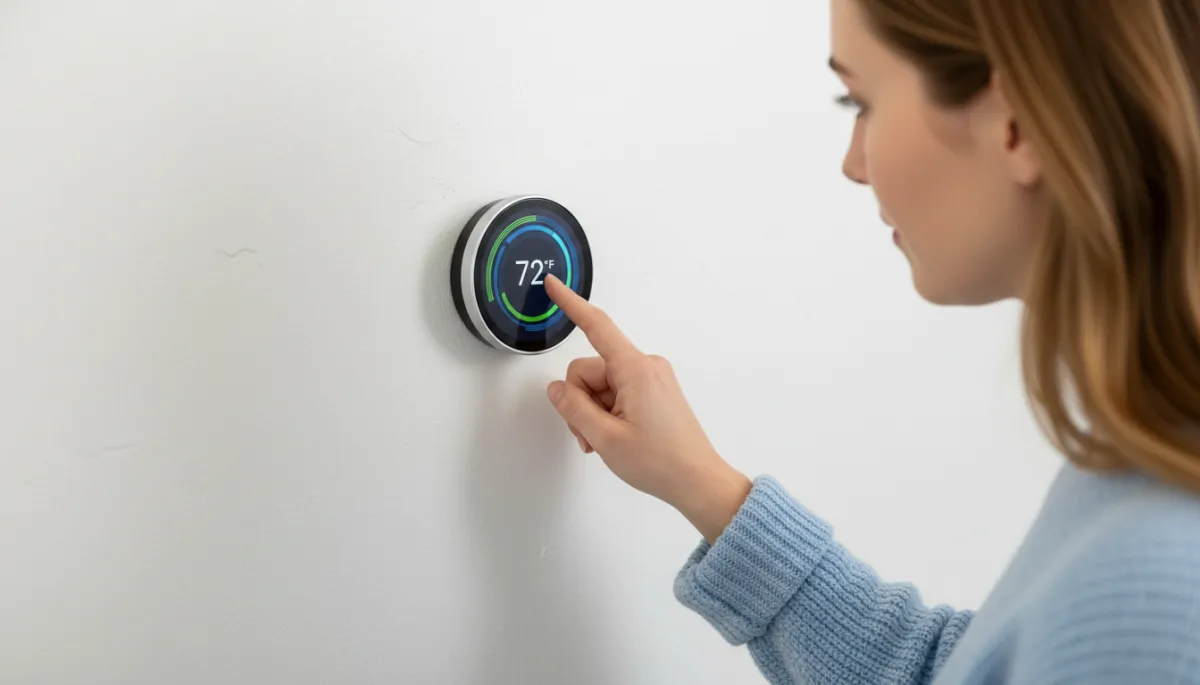
Smart thermostats trim energy waste by matching heating and cooling to your real routine.
3. Insulation and Air Sealing (Un-glamorous but Powerful)
If your attic feels like a blast furnace in July or an icebox in January, you’re probably losing a lot of conditioned air. The U.S. Department of Energy highlights improved insulation and sealing air leaks as some of the most effective cost-effective improvements you can make. Adding insulation to attics, crawlspaces, and walls, and sealing around windows, doors, and outlets can keep your home more comfortable and reduce the load on your HVAC system.
These upgrades may also qualify for the federal Section 25C credit, as long as the materials meet efficiency standards and are installed by the end of 2026. This is a classic “invisible” upgrade, but you’ll feel the difference every time a cold front blows through.
4. Energy-Efficient Windows and Doors
Drafty single-pane windows are notorious energy wasters. Swapping them for double-pane, low-e, Energy Star–rated windows can reduce heat gain during Oklahoma summers and heat loss in winter. While the upfront cost is higher than a thermostat, these home upgrades can improve comfort, curb appeal, and resale value—and may qualify for partial federal tax credits if they meet the right standards and are installed before the current incentives expire.
5. Solar Panels and Other Clean Energy Systems
Oklahoma’s sunshine is a huge asset for green home solutions. Solar panels can offset a large portion of your electricity use, and in some cases, you may be able to earn bill credits for excess power sent back to the grid, depending on your utility’s policies. Under the federal Residential Clean Energy Credit (Section 25D), you can claim a 30% tax credit on qualifying systems—such as solar, wind, or geothermal—installed and placed in service by December 31, 2026.
While solar is a bigger investment, that 30% federal credit can take a serious bite out of the cost, and the long-term energy savings can be substantial, especially if you plan to stay in your home for a while.
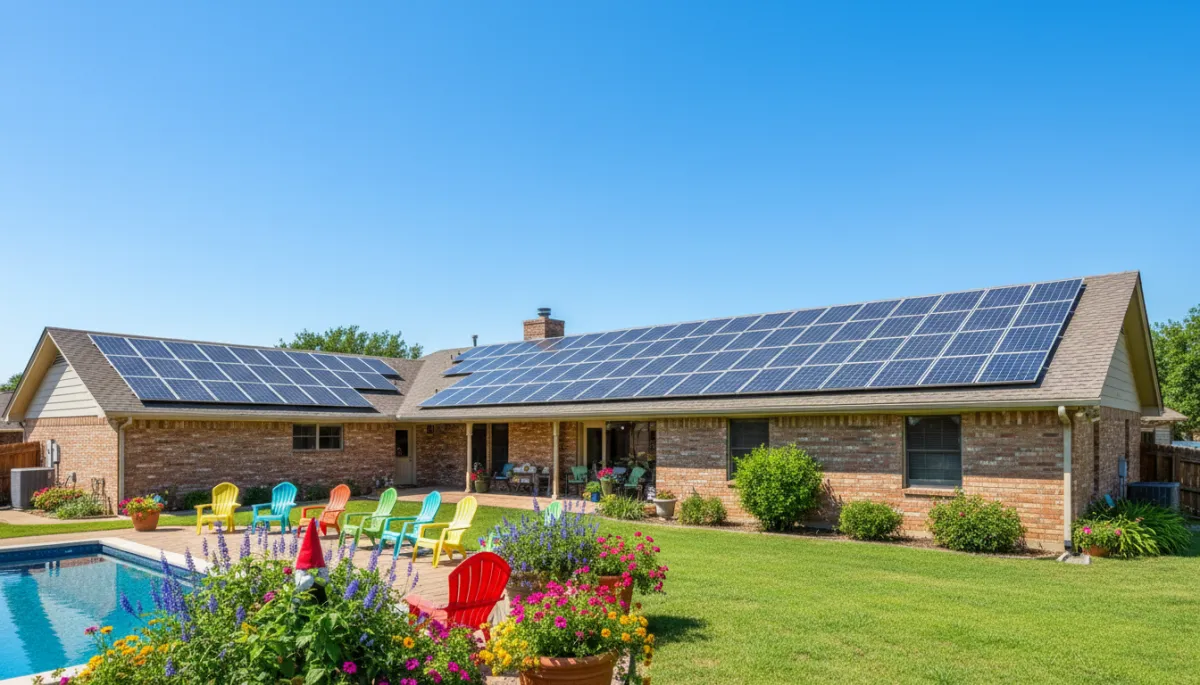
Solar panels paired with federal credits can shrink long-term electricity costs dramatically.
6. LED Lighting, Energy Star Appliances, and Low-Flow Fixtures
Not every upgrade has to be a major project. Swapping out old bulbs for LEDs, choosing Energy Star refrigerators, washers, and dishwashers, and installing low-flow showerheads and faucets are all simple cost-effective improvements. They support sustainable living by cutting both electricity and water use, and they start saving you money as soon as you flip the switch or turn on the tap.
Oklahoma Tax Credits and Incentives You Should Know About
When you’re weighing which energy-efficient home upgrades to tackle first, it helps to know which ones come with bonus tax savings. Let’s walk through the main Oklahoma tax credits and federal incentives currently on the radar for 2026. Always double-check with a tax professional or the official sources before you file, because laws can change.
Oklahoma State-Level Credits for Efficient New Homes (Starting 2026)
A new Oklahoma law (House Bill 1580) introduces two key state credits tied to the construction of energy-efficient homes:
$2,000 Oklahoma income tax credit for homes constructed and certified under the EPA Energy Star Homes program.
$4,000 Oklahoma income tax credit for homes built and certified as DOE Zero Energy Ready Homes.
These credits can be claimed once, in the year construction is completed, and any unused portion can generally be carried forward for up to four years. If you’re building a new home in 2026 or later, working with a builder who understands these programs can turn your new place into a powerful green home solution with serious tax benefits.
📌 Key Takeaway: For new construction, Energy Star and Zero Energy Ready certifications can unlock thousands of dollars in Oklahoma tax credits, on top of your long-term utility savings.
Federal Credits for Existing Homes in Oklahoma
Even if you’re not building from scratch, there are still valuable federal incentives for energy efficiency and clean energy upgrades in existing homes across Oklahoma:
Section 25C – Energy Efficient Home Improvement Credit: Up to $2,000 per year for qualifying heat pumps and up to $600 for certain HVAC systems and other improvements, as long as they meet efficiency standards and are placed in service by December 31, 2026.
Section 25D – Residential Clean Energy Credit: A 30% credit on the cost of qualifying clean energy systems—like solar, geothermal, and wind—installed and in service by December 31, 2026.
These federal credits are available to Oklahoma homeowners just like anywhere else in the country. They can make a big difference in the payback time for your home upgrades, especially larger investments like solar panels or high-efficiency HVAC systems.

Tracking receipts and certifications makes claiming state and federal energy credits much easier.
How to Choose Cost-Effective Improvements That Really Pay Off
With so many possible green home solutions, it’s easy to feel overwhelmed. Here’s a friendly way to prioritize upgrades that make sense for your Oklahoma home and budget:
Start with an energy audit. Many utilities and local contractors offer audits that pinpoint where your home is losing energy. This helps you focus on the cost-effective improvements with the biggest payoff, like insulation or sealing leaks.
Fix the “cheap leaks” first. Weatherstripping doors, sealing around windows, and adding attic insulation are usually affordable and deliver quick returns—especially in a climate like Oklahoma’s.
Layer in smart tech. Smart thermostats, programmable controls, and efficient lighting help you get more value from your bigger investments, like a new HVAC system.
Plan the big projects around credits. For HVAC, windows, and solar, check the latest Oklahoma tax credits and federal incentives before you sign a contract. Timing your project before a credit expires can save thousands.
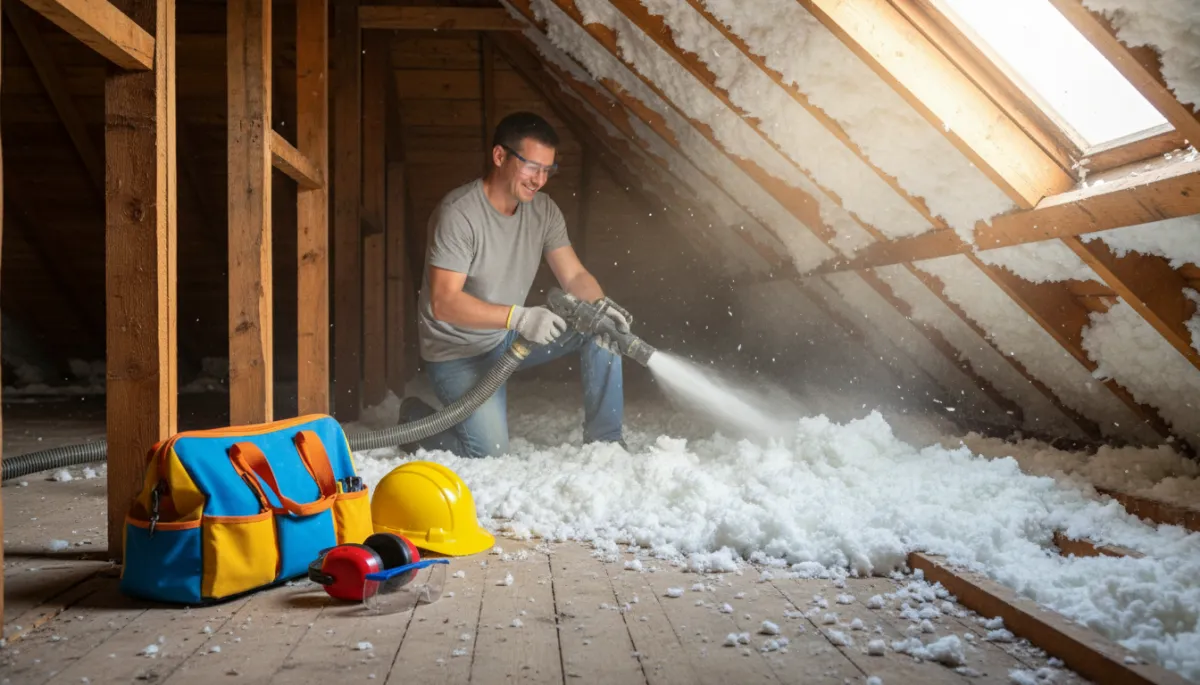
Insulation and air sealing are unsung heroes of energy efficiency in Oklahoma homes.
Turning Your Oklahoma Home into a Comfortable, Efficient, Green Haven
You don’t have to tackle everything at once to move toward sustainable living. Even a single upgrade—like a smart thermostat, extra attic insulation, or a high-efficiency heat pump—can start lowering your bills and shrinking your home’s environmental footprint. When you stack these energy-efficient home upgrades over time, the results really add up, especially in a state with as many temperature extremes as Oklahoma.
By combining smart planning, proven cost-effective improvements, and the right Oklahoma tax credits and federal incentives, you can create a home that’s more comfortable, more affordable to run, and kinder to the planet. That’s energy efficiency that truly pays off—in dollars, comfort, and peace of mind every time the forecast takes a wild turn.
